
5 important space tragedies.

 5 important space tragedies.

What did these events teach us about spaceflight?

1967: Apollo 1 fire

NASA’s first manned Apollo spaceflight was set to be a practice launch to space for the first Moon landing, but while still on the ground the three astronauts inside were engulfed in a fatal fire. Flaws including flammable materials in the spacecraft and a difficult emergency escape were redesigned to create safer environments for future Apollo flights.


1967: Soyuz 1 experiment

Sadly demonstrating the dangers of spaceflight under political pressure, a Soviet craft carried cosmonaut Vladimir Komarov to his death. 203 technical issues were reported before liftoff, but the flight went ahead anyway in an attempt to overtake the US in the Space Race. When Komarov’s parachute failed to open, he became the first person to die during a mission.
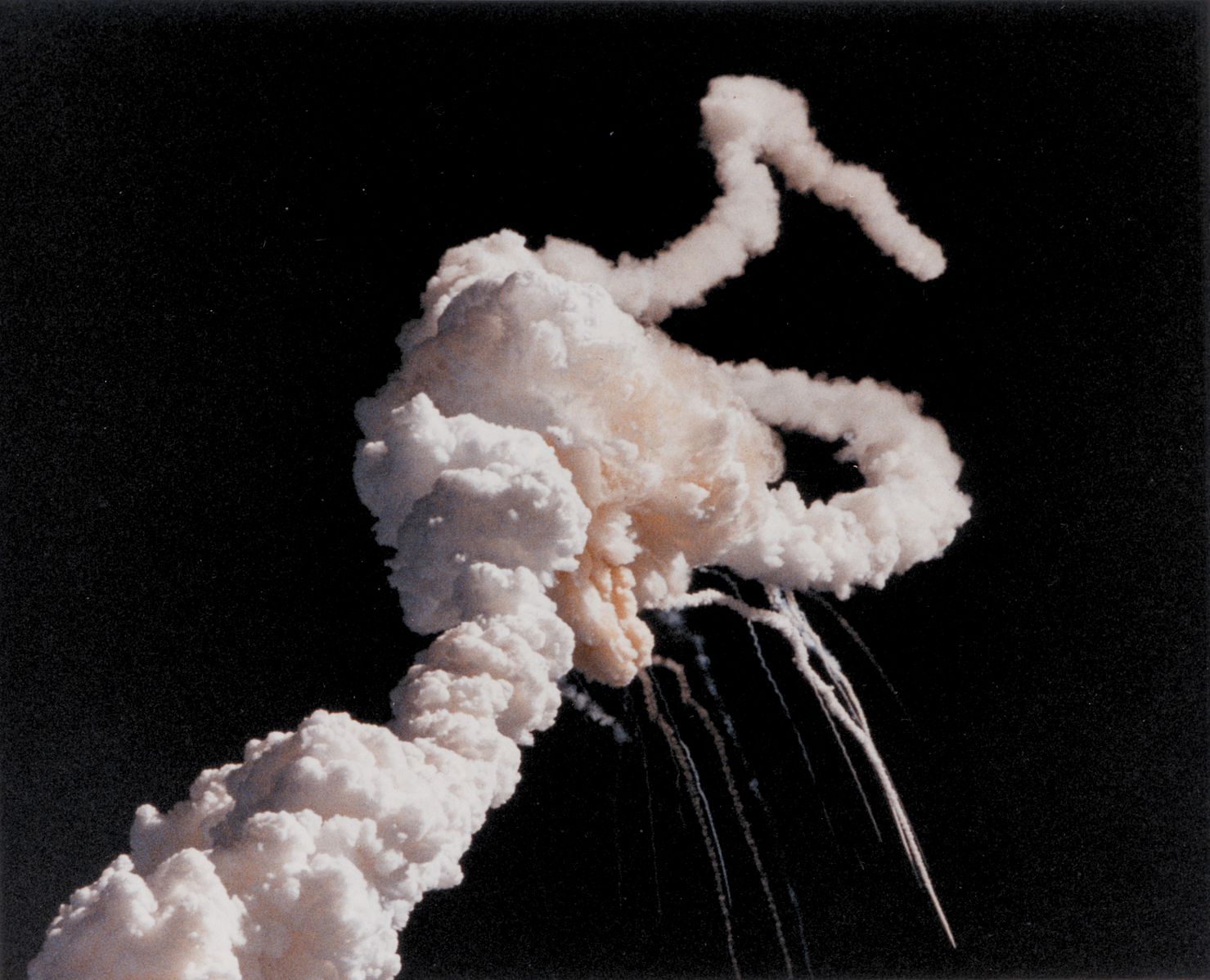

1986: Challenger's final flight

The Challenger Space Shuttle had successfully become the second to fly to space, but on its tenth mission, disaster struck. 73 seconds after liftoff, the shuttle broke apart due to cold weather impacting the rocket’s rubber seals. These sealed the fuel segments inside the rocket, but in the extreme cold the rubber seals became too stiff, resulting in a fuel leak. The resulting investigation recommended that NASA install and improve safety features on the shuttles as well as its management of future missions.


2003: Columbia

When Space Shuttle Columbia re-entered Earth’s atmosphere after its 28th mission it was torn apart, taking the lives of its seven crew members. In the following two years, NASA’s investigation found that a hole on the left wing allowed atmospheric gases to enter the shuttle. The disaster showed how a small area of damage could result in complete devastation.
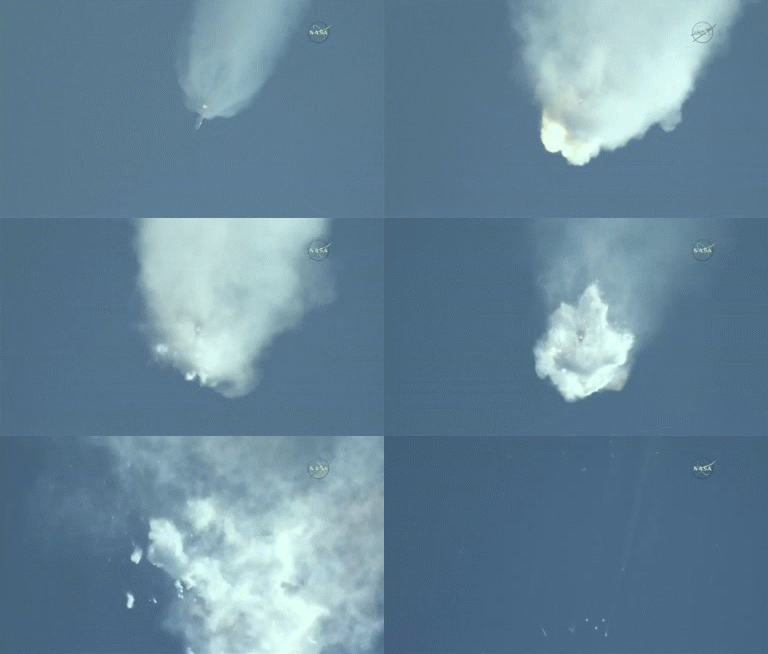

2015: Falcon 9

Aerospace company SpaceX had a mishap with one of its launching rockets in 2015 when a steel strut which was holding helium snapped, triggering an explosion. The private company became more wary of who it used as suppliers and closely monitored the condition of all small parts.

Comments

Popular posts from this blog

Identifying spring buds.

  Identifying spring buds. BY barry allen   ·  15/03/2021 As the flowering buds on trees begin to appear, here’s how you can tell them apart A plant’s buds act as a shield for the delicate flowers inside. Flowers of different shapes, sizes and forms come with individual and distinct protection. Throughout winter these buds remain closed and dormant, surviving the cold until their time comes to thrive in the spring, making a vibrant emergence from their compact casing. While it’s usually easy to distinguish a species from its distinct flowers, buds can have more subtle differences. This visual guide to the more common tree buds should help you identify them. Ash (Fraxinus excelsior) Ash trees are identifiable by their two tiny, sooty black buds either side of a larger bud. (Image credit: Future PLC/ The Art Agency/ Sandra Doyle) Beech (Fagus sylvatica) Beech buds are long and thin, with sharp points and spiky cases, and are a coppery-brown colour. (Image credit: Futur...